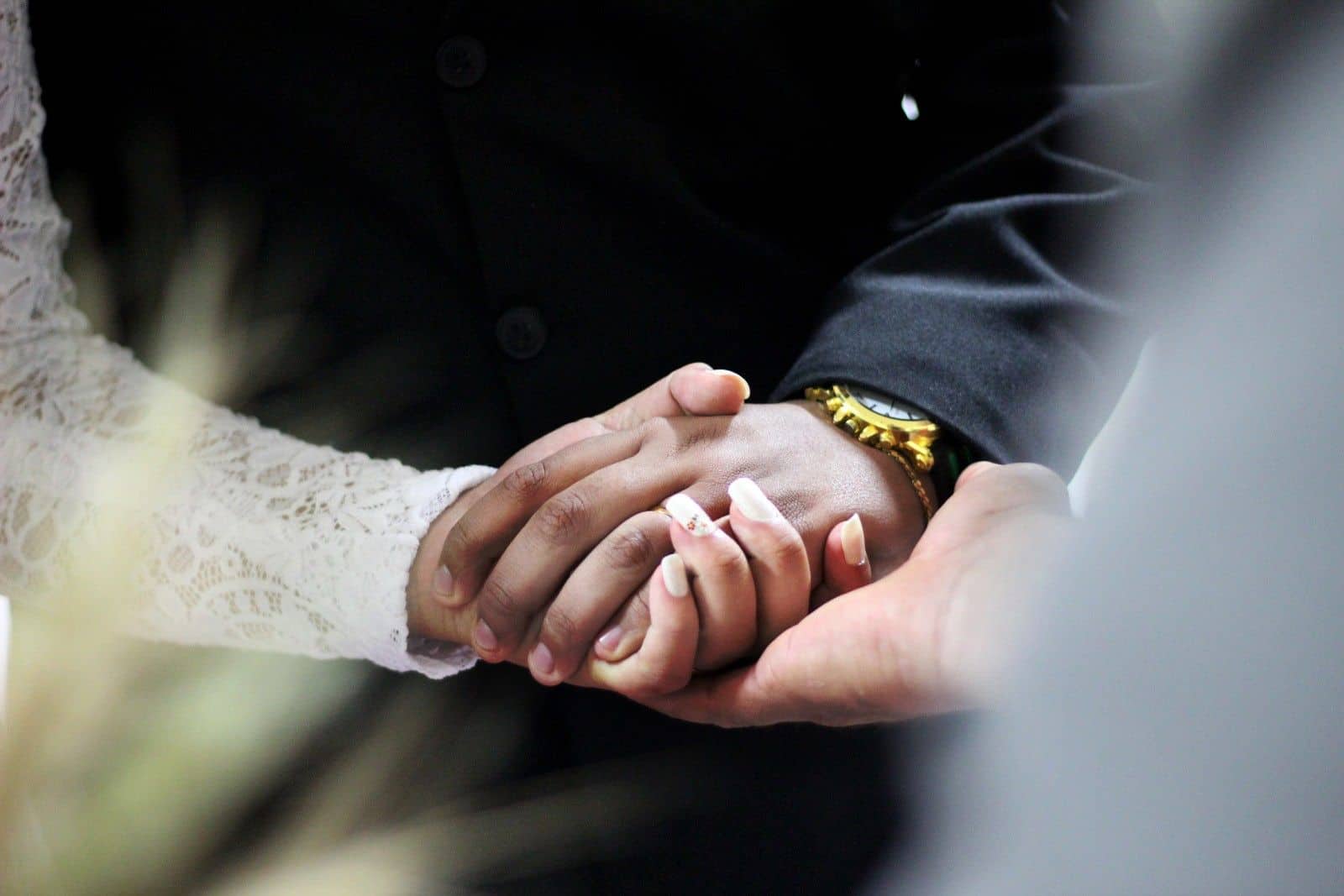
Getting married is a big decision and is one of the most significant events in someone’s life. Since March 2014, in England and Wales, marriage became open to everyone irrespective of whether they are of the same sex or opposite sex. However, if they are 16 or 17, in England or Wales, they cannot marry unless both parents with parental responsibility give consent. In some circumstances, other people may give parental consent.
In Scotland, opposite-sex couples and same-sex couples are able to marry, if they are aged between 16 and 18, without the need for parental consent. Therefore, if they are 16 or 17 years old and from England or Wales, it is possible to go to Scotland to be married without the consent of their parents as there are no residence requirements. This also means that citizens of any country are able to marry in any district of Scotland they choose, provided there is no legal impediment to the marriage. However, those that are subject to immigration control, wishing to marry in Scotland in a registration office must give notice in person or by post to the registration office and provide proof of their nationality.
In Northern Ireland, opposite sex couples are able to marry , with the choice of either a religious ceremony, or a civil ceremony. Same sex couples are only able to marry by civil ceremony. However, anyone under 18 will need permission from their parent or guardian, or if suitable, a court order to allow the marriage to go ahead.
Transgender people
A transsexual person who has applied for and has been granted a full gender recognition certificate (GRC) by the Gender Recognition Panel is able to obtain a new birth certificate which reflects their acquired gender. In the UK, they will then be able to marry someone of the opposite or same gender to their acquired gender. However, if a transsexual person does not have a gender recognition certificate (GRC), they are legally considered to be the gender that is on their original birth certificate.
Who cannot get married in the United Kingdom?
Some relatives are not allowed to marry. If they do, the marriage will be automatically void even if they do not know they are related. A person cannot marry any of the following relatives:
- a child, including an adopted child
- a parent, including an adoptive parent
- a brother or sister, including a half-brother or half-sister
- a parent’s brother or sister, including a half-brother or half-sister
- a grandparent
- a grandchild
- a brother’s or sister’s child, including half-brother’s or half-sister’s
- Adopted children and their genetic parents and genetic grandparents may not marry. Adopted children may not marry their adoptive parents but they can marry the rest of their adoptive family, including their adoptive brother or sister. People who are step relations or in-laws may marry only in certain circumstances.
For information about whether surrogate relations, step relations and in-laws can marry, you should consult an experienced adviser, for example, at a Citizens Advice Bureau.
Marriage notices
In England and Wales, a legal statement must be signed at your local register office, stating you intend to be married or form a civil partnership. This is known as ‘giving notice’ and must be done at least 29 days before the ceremony. The ceremony must be held within 12 months of ‘giving notice’.
In Scotland unless converting a civil partnership to marriage through an administrative process, a minimum of 29 days’ notice is required, to the district registrar in the area where the marriage is planned to take place. Each person completes a marriage notice on a form provided by the registrar.
If planning to marry in Northern Ireland, the completed Marriage Notice Application Forms must be served on the Registrar. The notice must be given in the 12-month period prior to the date of marriage and not later than 28 days before the date of the marriage. However, it is recommended that the completed forms are with the registrar 8-10 weeks before the marriage.
Documents you need to give notice
You and your partner will be asked for certain information when giving notice of your intention to marry. This includes the following:
- evidence of name and address
- evidence of date of birth
- if one partner has been married before or in a civil partnership, documentary evidence that the marriage or civil partnership has ended, for example, a death certificate or decree absolute. Uncertified photocopies are not accepted. A certified copy of a decree absolute may be obtained from the court which decided the divorce. This can take about a week
- evidence of nationality.
The links at the end of this item will lead you to the sites where you can check on the documents needed.
If you are coming to the UK to marry or register a civil partnership in the UK, this link provides information on a Marriage Visitor visa: Gov.uk – Marriage Visa
Getting engaged
Engagements are mainly for cultural reasons and have limited status. However, they can be used, for example, in immigration law as evidence of intention to marry
Pre-nuptial and post-nuptial agreements
A pre-nuptial agreement is a contract entered before marriage which outlines how a couple wish to divide their money and property if they get divorced. A post-nuptial agreement is similar but entered after marriage. Pre-nuptial and post-nuptial agreements are legally enforceable. It is generally recommended that such agreements are professionally arranged, going through a solicitor specialising in family law.
A marriage could take place in:
- a Register Office
- premises approved by the local authority such as a hotel
- an appropriately registered religious building, where an authorised person must attend the ceremony and register the marriage (England, Scotland and Wales)
- a religious marriage performed by minister, priest or pastor, who has been registered as an Officiant and authorised by the Registrar General (Northern Ireland)
- Anywhere an approved celebrant will agree, such as a boat or a hillside (Scotland)
- the home of one of the partners if the partner is housebound or detained, for example, in prison
- a place where one partner is seriously ill and not expected to recover, for example, in hospital
- a licensed naval, military or air force chapel
Note: it is important to check that the religious organisation will marry you.
In the United Kingdom, opposite sex couples can marry in a civil or religious ceremony. Same sex couples can marry in a civil ceremony but can only get married in a religious ceremony if the religious organisation has agreed to marry same sex couples.
Blessing ceremonies
If for example, because you belong to a religion that does not permit marriage of people who are divorced, it may be possible to arrange for your relationship to be blessed in a religious ceremony. Unlike the marriage itself, a blessing is not legally binding but it’s a more spiritual way of symbolising the strength of your commitment to one another and sealing the relationship.
Certificates and surname changes
For the female to change their name when they marry is a personal decision or a cultural choice. It is not a legal requirement to change to the man’s family name and a woman can choose to use one name in her work life and another in her personal life.
If a woman wishes to travel abroad immediately after the marriage and use their new name; it is possible to apply to the passport office for a new passport to be issued in their new name up to three months before the marriage. The old passport must be surrendered when applying for a new passport, so it is important to be sure they do not want to leave the country within this period.
Marrying abroad
For couples wanting to marry abroad, it will be necessary to obtain the information from the embassy of the relevant country but listed below are the minimum original documents that will need to be provided:
- Your birth certificates
- Ten-year passports valid until at least six months after your return
- Proof of your full names, addresses and in some cases religion
- An Affidavit to confirm your single status
- If you are widowed the death certificate of your former spouse
- A Decree Absolute if either of you are divorced
- Proof of name change if it has been altered by Deed Poll
Provided the marriage would have been legal had it taken place in the UK, it is likely to be recognised as a valid marriage in the UK and not just the country in which the marriage took place and as such you would not need to have the marriage separately registered in the UK.
workplacewellbeing.com assumes no responsibility for the content of linked websites.
Other useful websites
gov.uk – marriages and civil partnerships
gov.uk – getting married in Scotland
gov.uk – guidance for marriage procedures in Northern Ireland