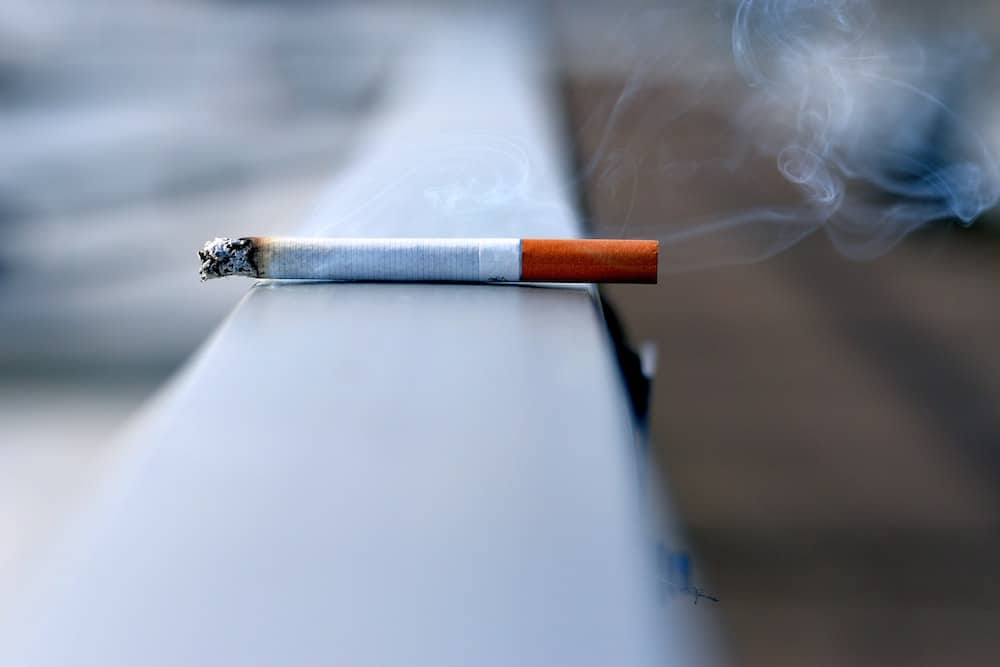
Every cigarette you smoke is harmful. Smoking is the biggest cause of preventable deaths in the UK, accounting for nearly 80,000 deaths in England each year and 13,000 in Scotland. One in two smokers will die from a smoking-related disease.
Smoking health risks
Smoking causes around 7 out of every 10 cases of lung cancer (70%). It also causes cancer in many other parts of the body, including the:
- mouth
- throat
- voice box (larynx)
- oesophagus (the tube between your mouth and stomach)
- bladder
- bowel
- cervix
- kidney
- liver
- stomach
- pancreas
Smoking damages your heart and your blood circulation, increasing your risk of developing conditions such as:
- coronary heart disease
- heart attack
- stroke
- peripheral vascular disease (damaged blood vessels)
- cerebrovascular disease (damaged arteries that supply blood to your brain)
Smoking also damages your lungs, leading to conditions such as:
- chronic obstructive pulmonary disease (COPD), which incorporates bronchitis and emphysema
- pneumonia
Smoking can also worsen or prolong the symptoms of respiratory conditions such as asthma, or respiratory tract infections such as the common cold.
In men, smoking can cause impotence because it limits the blood supply to the penis.
It can also reduce the fertility of both men and women.
Health risks of passive smoking
Secondhand smoke comes from the tip of a lit cigarette and the smoke that the smoker breathes out. Breathing in secondhand smoke, also known as passive smoking, increases your risk of getting the same health conditions as smokers. For example, if you have never smoked but you have a spouse who smokes, your risk of developing lung cancer increases by about a quarter. Babies and children are particularly vulnerable to the effects of secondhand smoke. A child who’s exposed to passive smoke is at increased risk of developing chest infections, meningitis, a persistent cough and, if they have asthma, their symptoms will get worse. They’re also at increased risk of cot death and an ear infection called glue ear.
Health risks of smoking during pregnancy
If you smoke when you’re pregnant, you put your unborn baby’s health at risk, as well as your own. Smoking during pregnancy increases the risk of complications such as:
- miscarriage
- premature (early) birth
- a low birth weight baby
- stillbirth
Stopping smoking
If you want to stop smoking, several different treatments are available from shops, pharmacies and on prescription to help you beat your addiction and reduce withdrawal symptoms. The best treatment for you will depend on your personal preference, your age, whether you’re pregnant or breastfeeding and any medical conditions you have. Speak to your GP or an NHS stop smoking adviser for advice.
Research has shown that all these methods can be effective. Importantly, evidence shows that they are most effective if used alongside support from an NHS stop smoking service.
Nicotine replacement therapy (NRT)
NRT is a medication that provides you with a low level of nicotine, without the tar, carbon monoxide and other poisonous chemicals present in tobacco smoke.
It can help reduce unpleasant withdrawal effects, such as bad moods and cravings, which may occur when you stop smoking.
Varenicline (Champix)
Varenicline (brand name Champix) is a medicine that works in 2 ways. It reduces cravings for nicotine like NRT, but it also blocks the rewarding and reinforcing effects of smoking. Evidence suggests it’s the most effective medicine for helping people stop smoking.
Varenicline is only available on prescription, so you’ll usually need to see your GP or contact an NHS stop smoking service to get it.
Bupropion (Zyban)
Bupropion (brand name Zyban) is a medicine originally used to treat depression, but it has since been found to help people quit smoking. It’s not clear exactly how it works, but it’s thought to have an effect on the parts of the brain involved in addictive behaviour.
Bupropion is only available on prescription, so you’ll usually need to see your GP or contact an NHS stop smoking service to get it.
E-cigarettes
An e-cigarette is an electronic device that delivers nicotine in a vapour. This allows you to inhale nicotine without most of the harmful effects of smoking, as the vapour contains no tar or carbon monoxide. Research has found that e-cigarettes can help you give up smoking, so you may want to try them rather than the medications listed above.
There are no e-cigarettes currently available on prescription. For now, if you want to use an e-cigarette to help you quit, you’ll have to buy one. Costs of e-cigarettes can vary, but generally they’re much cheaper than cigarettes.
workplacewellbeing.com assumes no responsibility for the content of linked websites.