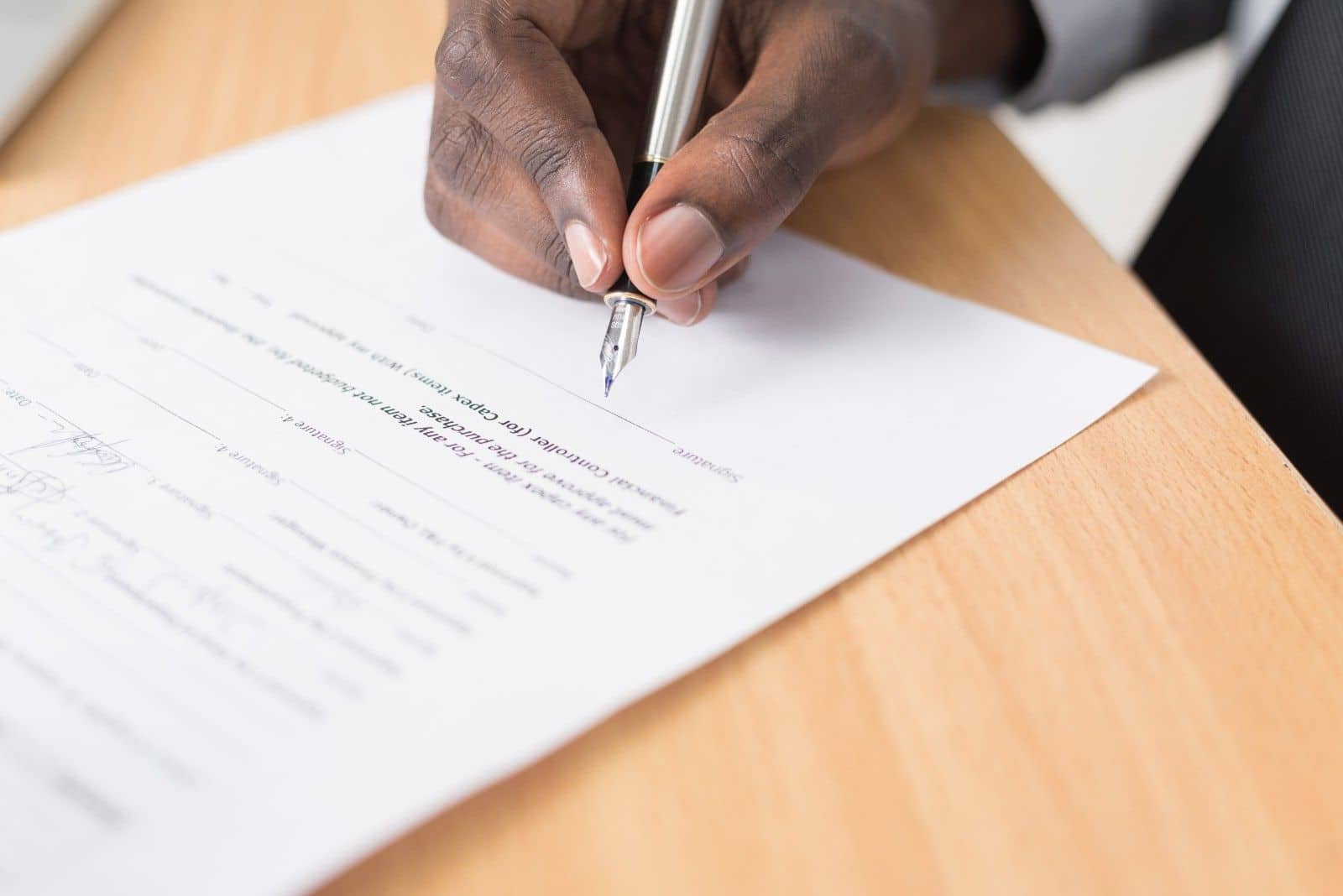
Although not compulsory, making a will ensures that your property and possessions are left to the people you have chosen to benefit after your death. If you die without a will, your assets may be distributed according to the law rather than your wishes.
Reasons for making a will
- You decide how your assets are shared – if you don’t have a will, the law decides how your estate is shared out.
- If you are divorced, you can decide whether to leave something to your former partner.
- If you’re an unmarried couple (whether it’s a same-sex relationship), you can make sure your partner is provided for.
- You can avoid paying too much Inheritance Tax than you need, if appropriate.
What to do next
There are several ways to make a will:
- Solicitor – Possibly the best course of action as all eventualities/considerations in law are taken considered
- Write your own – If not correct however, it can be invalid
- Will writing firms – are not covered by the Law Society so can offer no safeguards if things go wrong
- Use of known agencies such as CAB/Help the Aged/Age concern/Trade Unions.
Before seeing a Solicitor or other body it would be wise to consider how you wish to dispose of your assets and to whom.
If there are children under 18 years of age, then arrangements for them will need to be included within the will.
Executors
Executors are responsible for carrying out your wishes as to the disposal of your estate. They collect together all the assets of the estate, deal with all the paperwork and pay all outstanding debts, taxes, funeral and administration costs out of money in the estate. They will carry out your wishes by paying out the gifts and transferring any property to the beneficiaries of your will.
Who to choose as an Executor
One executor will suffice but it is advisable to nominate 2 or more, in case one of them dies. It is common to appoint two, but up to four executors can take on the responsibility for administering the will after a death. The people most commonly appointed as executors are:-
- Relatives or friends
- Solicitors, Accountants or Banks
In England and Wales, the Public Trustee or in some cases the Official Solicitor will act if no-one else is available.
In Scotland executors must have their appointment confirmed by the Scottish Courts before they can begin the process of administering the estate.
An executor named in the Will is known as an executor-nominate. Unless an executor has chosen to decline office, confirmation is in favour of all the nominated executors.
Where there is no Will, or the nominated executor is unwilling or unable to accept office, or already deceased, then an application should be made to the Sheriff Court for the appointment of an executor, known as an executor-dative.
Keeping your Will safe
If a solicitor writes your will, they will normally keep the original and send you a copy. Although you can request the original if you wish to hold it. Once you’ve made your will, it is important to keep it in a safe place and tell your executor, close friend or relative where it is.
Keeping your Will up-to-date
You should review your will every five years and after any major change in your life – such as getting married, separated or divorced, if you have a child or move home. Any change must be by ‘codicil’ (an addition, amendment or supplement to a will) or by making a new will.
More information is available on the Internet together with information from the Agencies mentioned.
workplacewellbeing.com assumes no responsibility for the content of linked websites.