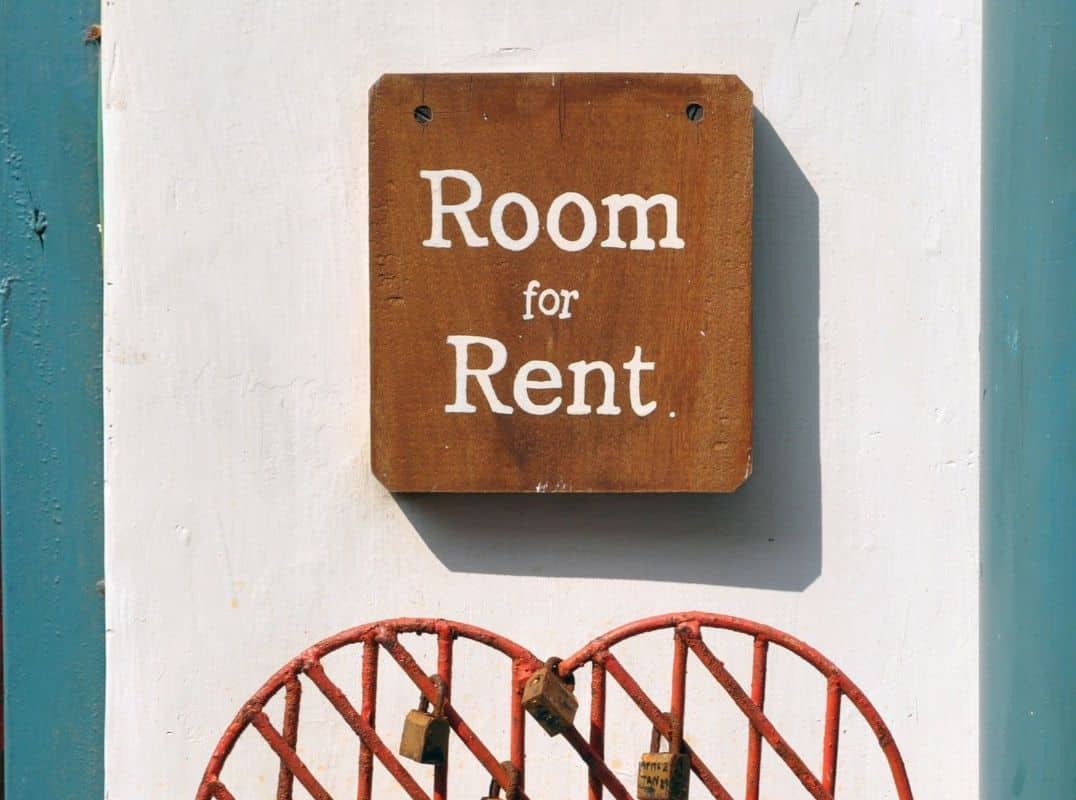
Letting a room in your home can be a useful way to get additional income. Or it can sometimes be a lifestyle choice because of a preference to not live alone. In other cases, it can be a choice made to support another person by providing a home for them. Whatever the motivation it is important to understand your obligations.
The Rent a Room Scheme lets you earn up to a threshold of £7,500 per year tax-free from letting out furnished accommodation in your home. This is halved if you share the income with your partner or someone else.
Resident landlord
While you continue to live in the property yourself you will retain a greater degree of control over the property. Although a tenancy will be created where the tenant has exclusive use of at least one room, if you continue to occupy the property as your main home you are likely to be considered a resident landlord and as such the tenancy will not have the status of a regulated tenancy (which provides a greater degree of protection to tenants) and you will have greater freedom to determine and end the arrangement. In Scotland it is called a common law tenancy. Before entering into an agreement there are a number of things you will need to consider:
- A tenancy must be for an agreed period and unless stated, will be for whatever period the rent is payable, e.g. weekly or monthly.
- Be clear in the agreement how the rent is to be paid, how it will be reviewed and how much notice is to be given to end the arrangement, usually the same as the rent payment period.
- You are legally obliged to provide a rent book if rent is payable weekly.
- Unless you have separate metering arrangements utility bills e.g. gas, electric, telephone or broadband, would normally be included in the rent. You will need to consider how to fairly apportion a fair share.
- References can be requested from the intending occupier before committing yourself to the agreement.
- You are allowed to request a deposit as a security against damage or unpaid rent as a condition of the agreement.
- It is advisable to agree an inventory of items of furniture or other fittings with the tenant and take photographs of the condition of accommodation at the start of the tenancy so that any damage can be independently verified.
- Be clear in your agreement about what you expect in respect of visitors or guests of the tenant or other matters that may have an impact on your own occupancy of the property like music or TV volume to minimise the risk of friction in the future.
- If you have a mortgage on your property, you will need to inform your lender to avoid a breach of your mortgage terms.
- If you yourself are a tenant, you will need to get written agreement to sub-let from your landlord as many private landlords will prohibit this.
- Your home insurance may need amending as result of sub-letting and the premium may increase.
- If you have been claiming the 25% council tax discount as a single person your entitlement will end and you should inform your local authority.
workplacewellbeing.com assumes no responsibility for the content of linked websites.