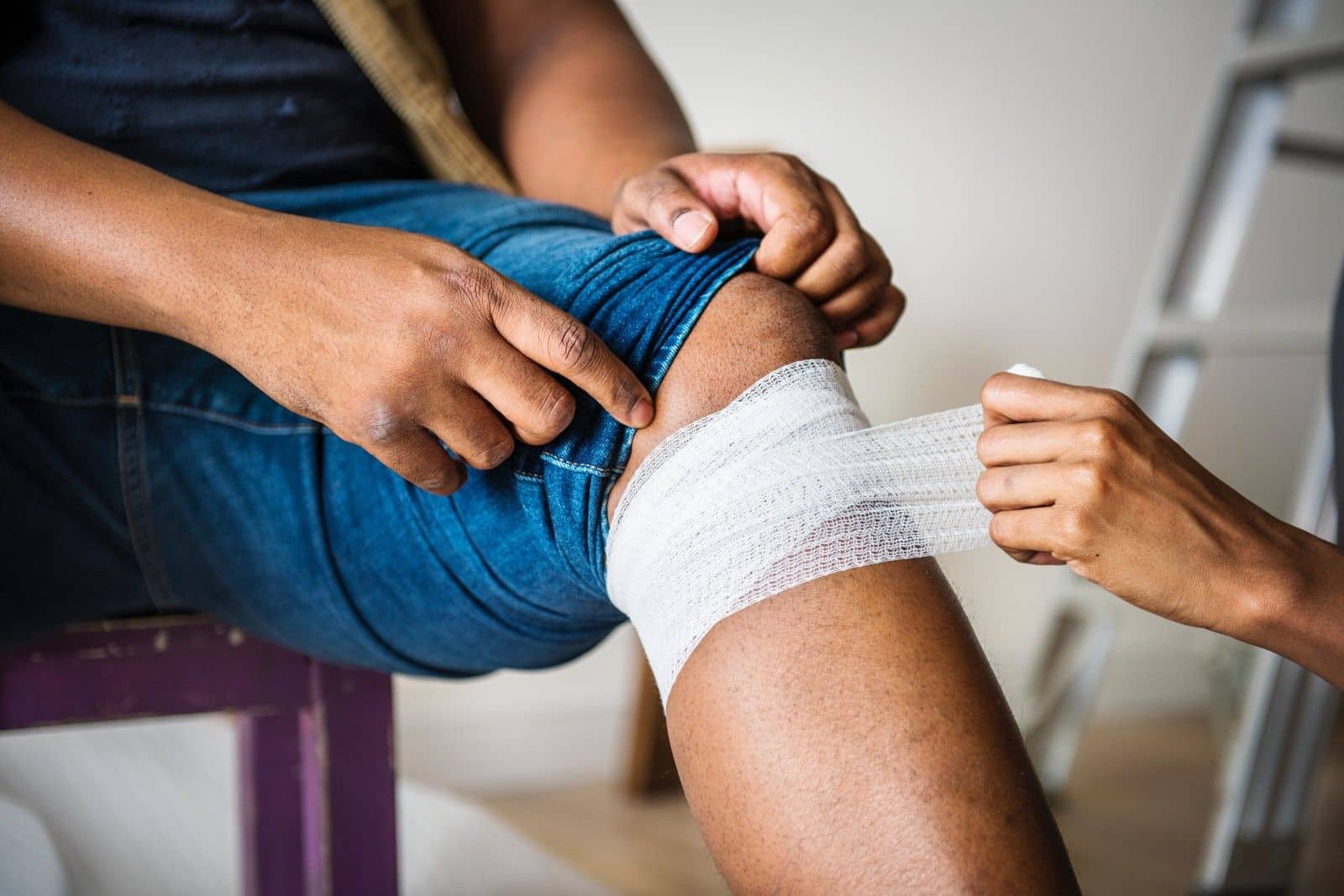
Most accidents happen in and around the home. To reduce the likelihood of accidents happening to you or your family, be aware of the risks and act to prevent or minimise them.
What are the risks to your family?
Children and older people are the most at risk. Children are especially vulnerable because they are curious and unaware of the dangers. Older people take longer to recover from their injuries and may be at greater risk in their homes.
Some of the hazards in your own home could be:
Stairs
- steep and poorly lit stairs
- worn or loose carpets
- abandoned toys
- lack of handrails
- if you have young children, fit stair gates at the top and bottom of the stairwell
Windows and glass doors
- low level windows or windows at the bottom of steps
- replace glass with safety glass or safety film
- fit window stays on upstairs windows
Burns
- hot surfaces, hot liquids and steam can cause traumatic injuries and leave permanent scars
- keep guards on fires and don’t leave candles unattended
- keep matches and lighters out of reach of children and use safety matches
- turn radiators down when children are around
- keep saucepan handles and kettle leads out of reach of children
- avoid electrical faults – don’t overload sockets and extension cables
- have your wiring checked every five years by a qualified electrician
- always replace a blown fuse with the correct one
- if a locked window or door could be used as an escape route in case of fire always keep the key nearby
Carbon Monoxide Poisoning
Carbon monoxide is a poisonous gas which can build up when household appliances that use flames – boilers, water heaters, stoves or open fires – are not working properly. Carbon monoxide is particularly dangerous as it has no smell, taste or colour, so it is very difficult to know when it is being produced.
You can guard against carbon monoxide poisoning by doing the following:
- fit carbon monoxide alarms wherever there is a flame-burning appliance
- make sure ventilation outlets in your home are free from blockages
- have your flame-burning appliances serviced yearly by a qualified engineer
Home safety and security tips
- When you leave your home for a long period, be sure to create the illusion that someone is home. You can put your lights, radio or TV on timers, or have a friend or family member stay at your home while you are away.
- Check to see if all your doors have good, updated locks that work properly. If not, replace them immediately.
- Install a peephole in your front door so you can see who is outside before letting them in.
- Never leave extra keys or garage door openers under doormats, in mailboxes, or on top of the doorframe. Instead, leave an extra key with a close friend, neighbour, or family member who you trust.
- You can make any windows or sliding glass doors extra secure by laying a piece of wood or metal along the bottom track, preventing the window or door from opening from the outside.
- Always keep garage doors shut.
- You should keep your blinds and curtains shut. Don’t advertise the items in your home for the outside world.
- Store expensive jewellery, electronics, and important documents in a safe at home or even better, a safe deposit box at your local bank.
- Never leave a note on the door when you are away from home. This is a clear signal that no one is home, and a nice invitation for any criminal to come inside.
- When you are away for extended periods, ask a neighbour or family member to collect your mail, newspapers, and any deliveries you may have collected. This is a clear indicator that no one is home.
Home fire safety tips
- Be sure to use fire resistant materials when building a new home.
- It is never a good idea to leave candles, or any other open flames unattended in your home.
- Make sure cigarette butts are completely out before throwing them into the rubbish bin.
- Never leave hot irons, curling irons, grills, etc. unattended.
- Clear dry and dead leaves, trees, and grass from your yard on a regular basis.
- Be sure to store firewood away from your home.
- Install smoke alarms on each floor of your home, check batteries regularly, and test them at least once per month.
- When cooking, don’t leave pots or pans unattended on the stove.
- Make sure you and your family has a fire escape plan. Practice the plan and make sure everyone in your home knows exactly what to do in case of a fire.
- Ensure that your street address is easily visible, allowing emergency personnel to find your home quickly.
For more detailed information on this topic you can click on the web site below.
workplacewellbeing.com assumes no responsibility for the content of linked websites.
Helplines
Victim Support line for England, Wales & Northern Ireland 0808 168 9111 Victim Support Scotland 0345 603 9213Victim Support is a national charity which helps people affected by crime. See Victim Support for more information.