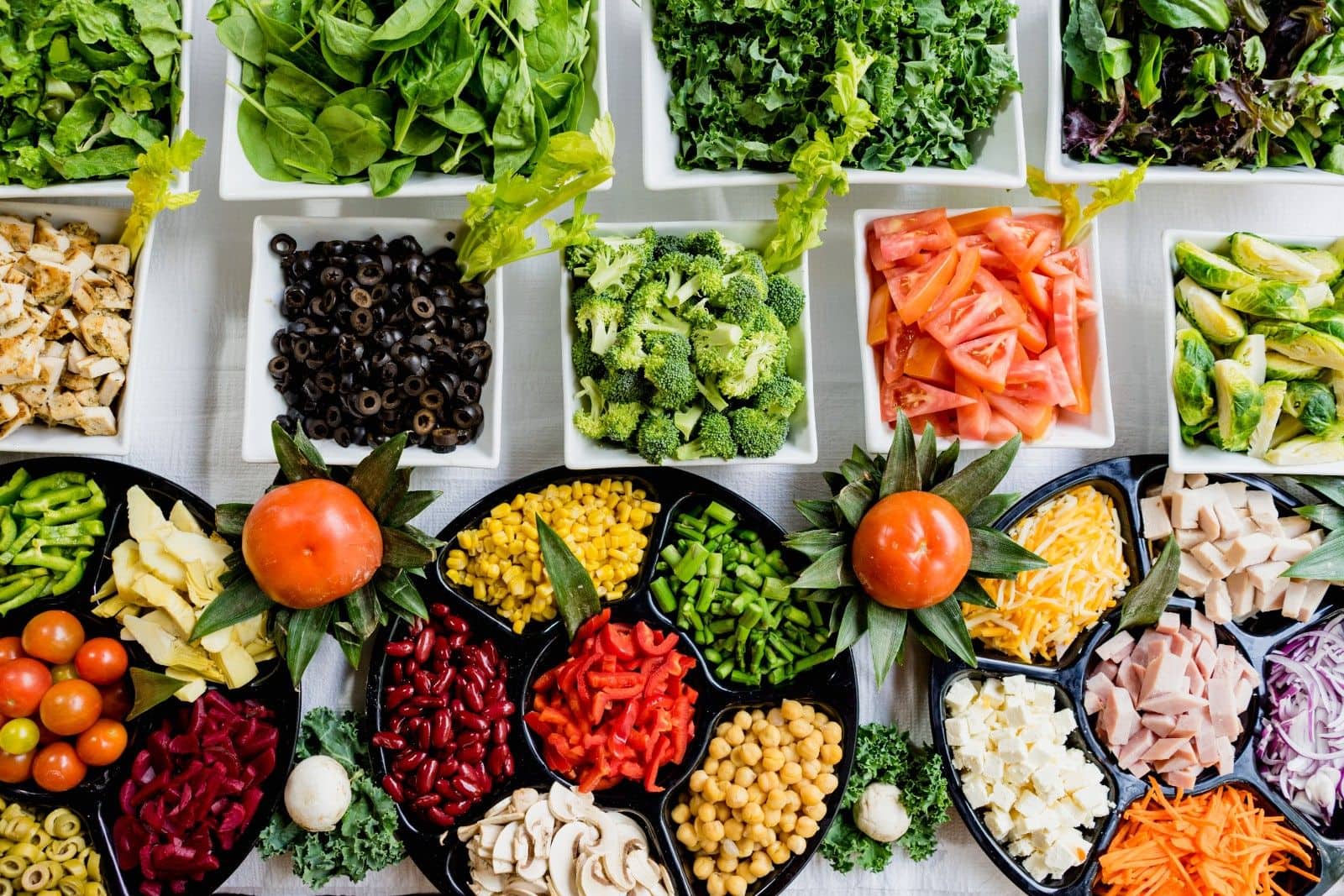
As well as providing the essential ingredients to fuel our bodies and keep us alive, maintaining a healthy diet can play an important role in helping us to cope with challenging life events.
Eating healthily will not stop bad things from happening or prevent us from reacting to those events. However there is evidence to suggest that eating the right kind of food helps support our ability to cope.
Eating a healthy diet has never been easier. There is a vast range of healthy foods and advice available. All foods are clearly labelled which allows you to choose whatever type of food is right for your diet.
There are some simple basic rules that should guide your consumption:
Reduce sugar consumption
- Use sugar-free or reduced sugar products. Use artificial sweeteners in drinks and cooking
Reduce fat consumption (in particular saturated and animal fats)
- Use vegetable and polyunsaturated fats for cooking and spreading. Try to grill, bake, dry roast, boil, or steam instead of frying.
Reduce caffeine and alcohol
- Cut down consumption of beverages with caffeine or alcohol. Be drink aware and follow the recommended levels for alcohol consumption. Try decaffeinated tea or coffee or low alcohol beer or wine to help support you with this aim.
Reduce salt
- Don’t add salt in cooking. Use a salt substitute at the table. Avoid high salt foods e.g. bacon, preserved foods. Be aware that ready meals and other processed foods can contain high levels of salt.
Increase fresh fruit and vegetables
- Eat at least five portions of fruit and vegetables every day
Increase complex carbohydrates
- Eat more pasta, bread, potatoes, rice
Increase protein
- Choose lean cuts of animal protein or use vegetable protein.
- Food should be enjoyed
- A bit of what you fancy may do you good, but too much may do you harm
- Eat a balanced diet and stay healthy
workplacewellbeing.com assumes no responsibility for the content of linked websites.