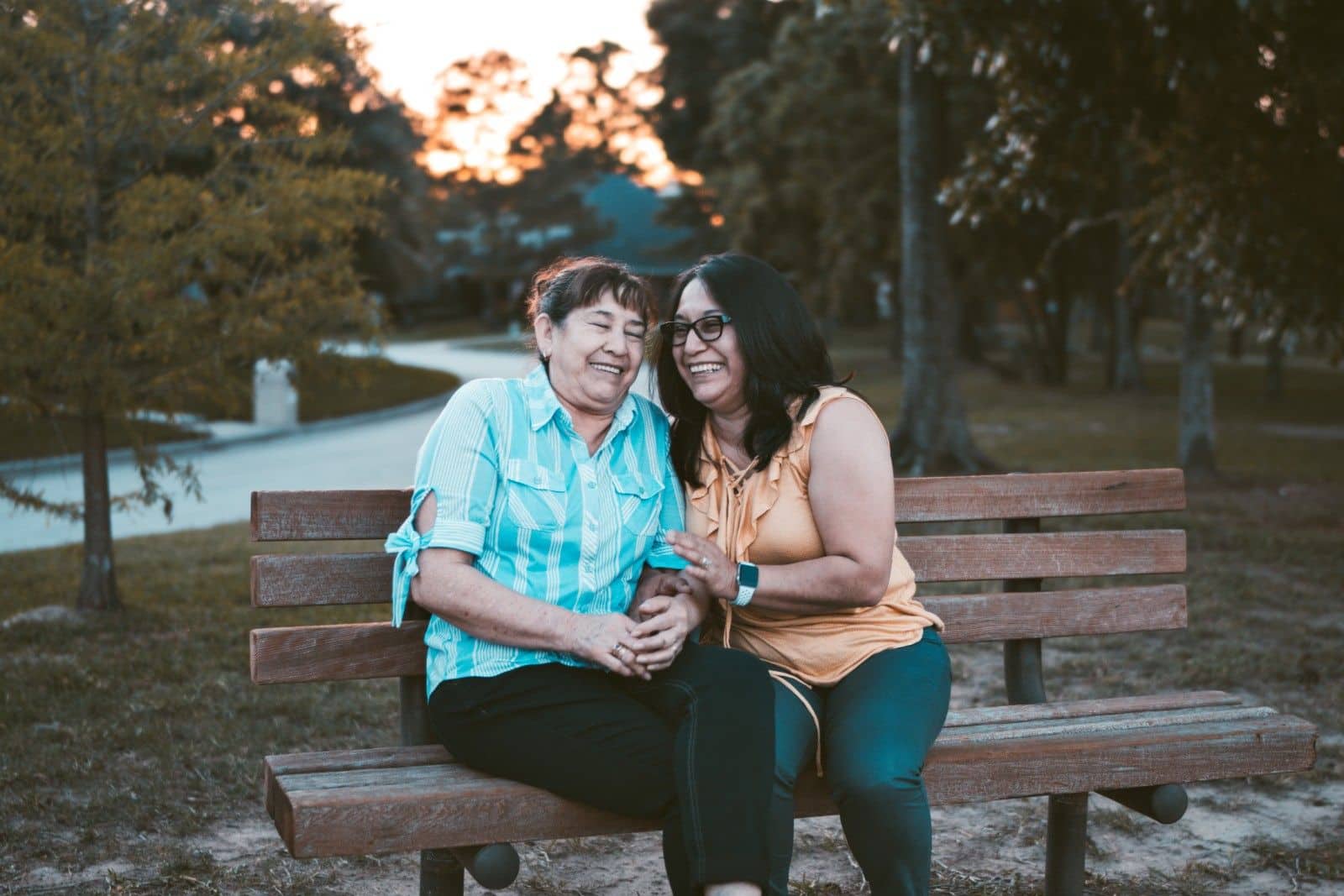
Some facts about women’s health.
Facts:
- More women are likely to suffer from a stroke than men
- Breast cancer is the most common form of cancer in the UK
- Twice as many women will suffer from depression or anxiety than men
- Gestational Diabetes can be developed in pregnancy
- A woman’s health is affected by alcohol related diseases sooner than men
It is important to take care of both your mental and physical health.
Do not ignore health issues – always see your GP to get things checked out.
Developing a healthier lifestyle has been shown to significantly reduce the risk of developing cancer, diabetes, depression and heart disease.
Ignoring health problems increases your risk of developing more serious conditions.
A Healthy Lifestyle
Research has shown that adopting a healthy lifestyle may significantly reduce the incidence of many of the major illnesses.
Choosing a healthier lifestyle will not only help you feel better, thus increasing your energy, but will also boost your confidence and wellbeing.
The suggestions below may help you achieve change.
Keep active
Exercise – aerobic exercise which can be carried out over a longer period of time such as walking, running or swimming or anaerobic exercise which is strength-based such as sprinting or weight training. It helps your ‘staying power’ and try to make it fun, whether its indoors or outdoors.
Aerobic exercise helps your heart and circulation. It should be of moderate intensity, undertaken for a reasonable period of time, such as walking for 30 minutes per day; you should see benefits in fitness even from this activity.
Some tips to help you start:
Reducing a sedentary lifestyle – (couch potato type) and increasing activity with dancing or sport, gardening or walking the dog. At work increasing the use of stairs instead of the lift and walking during lunch breaks will all build stamina and a feeling of wellbeing.
Importance of a good well-balanced diet
A balanced and healthy diet includes fruit and vegetables (your 5 portions a day!). It is based on starchy foods (such as wholegrain rice, bread and pasta). It is also low in fat, salt and sugar.
Our bodies need energy and nutrients to carry out work and keep healthy. A balanced diet would include carbohydrates, proteins and fats.
Try and eat five portions of fruit and vegetables a day You can get your portions from fresh canned, frozen and dried fruit and vegetables. You can also count beans, pulses, fruit juices and smoothies, but these can only be counted once. To give you some idea, one portion might be:
- 1 apple, banana, pear, orange or other similar sized fruit
- ½ a grapefruit or avocado
- 3 heaped tablespoons of vegetables (raw, cooked, frozen or tinned)
- a dessert bowl of salad
- 3 heaped tablespoons of beans and pulses (however much you eat, beans and pulses count as a maximum of one portion a day)
- 1 heaped tablespoon of dried fruit (such as raisins and apricots).
- 150ml fruit juice, vegetable juice or smoothie (try to keep to one 150ml drink each day to prevent damage to your teeth from the sugar content)
- 80g of pulses and beans (only count as one portion regardless of how many you eat)
You should never skip breakfast – it gets your metabolism started for the day.
If dining out, we are often tempted to eat more than we need:
- Go for grilled, boiled or steamed dishes – you don’t need to clear your plate
- Avoid cakes and sticky puddings – choose the lighter options.
Women’s Health – Weight Management
Weight management is not just about eating too much, but also about not eating enough, ensure that you follow a well-balanced diet – as outlined above
How do I know if I am underweight or overweight?
Over-weight and Obesity are measured in terms of your Body Mass Index (BMI) – a relationship between your height, weight and gender.
If your BMI is below18.5 you are in the underweight range
A BMI of 18.5 – 24.9 you are an ideal weight for your height
A BMI of 25 – 30 is considered overweight for your height
A BMI of over 30 is considered obese for your height
The ideal measurement is not accurate and if you are athletic remember that muscle is heavier than fat.
Individual circumstances need to be considered when measuring BMI. One example of where consideration is needed is where muscle is heavier than fat. Your BMI can be increased, even if you do have a healthy level of fat.
Waist circumference is now thought to be a more accurate measure of potential health risks than BMI alone.
Extra weight retained around your middle is considered to put you at greater risk than weight retained around your hips or thighs
To measure your waist, put a tape measure around the narrowest point between your ribs and hips (at your navel). Breathe out and take the measurement. if your waist is larger than 80cm (31.5 inches) then your health may be at greater risk when combined with lack of exercise.
Your GP will be able to advise you about your ideal weight, or you can find information on NHS Direct.
What are the health risks?
Being underweight can result in poor sleep quality, hair loss, difficulty getting pregnant and anxiety.
Two thirds of adults in the UK are now considered overweight. Eating too many calories and not doing enough physical exercise will cause you to be overweight.
Being overweight significantly increases your risk of heart disease, cancer and diabetes.
Being obese means, you have put on weight to the point that it could seriously endanger your health. This may cause you everyday problems such as shortness of breath, but it is the long-term health risks that are more serious.
The immediate symptoms of obesity include:
- Breathlessness
- Sweating a lot
- Snoring
- Difficulty sleeping.
Longer-term problems might include:
- Type 2 diabetes
- High blood pressure
- Heart disease and stroke
- Some types of cancer
- Sleep apnoea (when breathing stops for short periods during sleep)
- Osteoarthritis (wearing away of the joints)
- Gallbladder disease
- Liver disease
- Depression.
Several factors determine how good your body is at using the energy you consume as food or drink. The type of food you eat also matters.
What can I do about it?
To maintain a stable weight, you need to use up as much energy as you take in.
Energy is measured in calories.
- A 250ml glass of red wine is approximately 228 Calories, that is more than one jam doughnut
- Walking briskly for 20 minutes burns up 100 calories
Once you start to take in more energy than you can use, your body will start to store it as fat, under your skin and around your body organs.
Regular exercise and a healthy diet are the key to weight control.
Maintaining a healthy weight can:
- Help you feel better
- Build your confidence
- Increase your energy levels.
Talk to your GP about any concerns you might have.
Women’s Health – Sleep
There are many reasons which can affect the quality of sleep. Stress and anxiety can cause erratic or disturbed sleep. Getting sufficient sleep can be hard if you are feeling pressured or perhaps you work during the night or do shift work. Menopausal symptoms can also disturb sleep such as hot flashes or night sweats.
- Reducing or cutting out alcohol consumption, as alcohol can disturb sleep.
- Try to limit the amount of caffeine, especially before bedtime
- Make sure your bedroom is comfortable and airy with no clutter
- Take some daily exercise but not too close to bedtime
- Take some time to relax before going to bed, letting go of your worries or writing down things you need to remember for the following day.
- Try to avoid using your phone, laptop or computer before bedtime
If you can’t sleep after 20 minutes, then get up and help to take your mind off things by reading a book or magazine. Try to avoid anything with a screen as this will stimulate you. Making a warm non-caffeinated drink may help you to relax. This can help you start to feel tired again and ready for bed.
Women’s Health – Happiness
Happiness is a quality of life we all aim for. Sometimes, it can seem illusive but taking the following simple steps can help bring it that much closer:
- Cultivate happy and positive thoughts over negativity and feeling miserable
- Take responsibility for yourself and your life
- Do something you enjoy every day if you can
- Make friends
- Don’t over commit yourself.
Women’s Health – Relaxation
Being able to relax is an important factor in staying healthy. There are many ways that you might help yourself to relax. Here are a few which all come under the heading of ‘me time’.
- Relaxation CDs
- Reading an enjoyable book
- Tai Chi, Yoga and Pilates
- Having a soak in the bath
- Meditation.
Although having busy lives and family can impact on “me time” always try to plan some into your day.
Think positively
Developing a positive outlook on life can have a real effect on your health and ability to cope with the daily stresses of life.
How you think can affect your thoughts/feelings and behaviour
It is not what happens but the way you interpret or perceive what happens that influences how you react and deal with situations. Your thinking style affects how stressed you get in any given situation.
Remember, even if you generally have a positive outlook on life, there are times when we can all experience daily stresses. Try to share these stresses by talking with someone as soon as you are able to, as a problem shared with someone you trust can make all the difference if you are feeling stressed, low or anxious. This could be your partner, a close family member, a friend or your manager.
Women’s Health – Depression
Everyone has times when they feel unhappy and down. If the feelings go on for a period of time you may find yourself unable to move on. Depression does not discriminate and can affect any one at any time.
Depression can be caused by a number of reasons such as:
- A traumatic or upsetting life event (relationship break-up /childbirth /financial worries/ bereavement-loss)
- Changes in your life.
- Hormonal changes such as pregnancy or menopausal symptoms
A GP may ask you to complete a questionnaire to help determine whether you are depressed or anxious. Doctors may consider your depression to be clinical – in need of treatment – if your symptoms last for more than two weeks.
How will I know the signs?
Psychological symptoms might also include:
- Feeling hopeless or helpless
- Low self-esteem
- Being tearful
- Lack of motivation
- Feeling anxious.
Many symptoms are physical such as:
- Difficulty sleeping
- Loss of appetite
- Loss of interest in sex.
Your friends or family might notice you are:
- Having difficulties in home and family life
- Not performing well at work
- Taking part in less social activities and avoiding contact with friends
- Losing interest in hobbies and exercise.
What can I do to improve my mood and outlook when I am depressed?
You may start to withdraw from social engagements or lose interest in taking care of yourself or may turn to alcohol or drugs.
Options like these are unhelpful as they can lead to further problems of their own.
Eat small regular meals and always start your day with a healthy breakfast such as oats
Getting dressed and going for a short walk or engaging with people can help, this may be difficult at times but even going outside for 5 minutes is a start.
Have a regular relaxing bedtime routine.
Talk to your GP. Your doctor will be able to refer you for counselling or a course of cognitive behavioural therapy or prescribe medication for you, if that is appropriate. Sometimes you will be offered both medication and a talking therapy.
There are also many self-help books and websites to help you manage your depression.
Suicidal thoughts
Although research has shown that men are more at risk of death by suicide than women. Women do have thoughts of suicide
If you are having suicidal thoughts there is always someone to listen to you at Samaritans.
If you are concerned that someone is having suicidal thoughts – ask them. Your main concern will be the person’s immediate safety and the causes of their depression.
Persuading them to seek appropriate help, such as contacting their GP, will be important too.
If you, or someone that you are worried about, feel there is an immediate risk of suicide, go to your local A&E department or contact the Crisis Team. They will be able to provide you with immediate support.
Women’s Health – Cancer
Cancer will affect more than one in three people in the UK during their life time.
The three most common cancers in Women are:
- Breast Cancer
- Lung Cancer
- Bowel Cancer
Everyone is different so get to know your body and if you notice anything unusual see your GP as soon as possible.
- Breasts can change around, periods, pregnancy and menopause get to know your breasts and check them regularly
- You will be offered regular cervical screening appointment between the ages of 25 and 64. These appointments can be carried out at your GP practice, a well women clinic or sexual health clinic. These appointments are important as they detect cancer early
Don’t put seeing your GP or attending appointments off, when cancers are found early they are usually easier to treat and cure.
Evidence suggests that half of all cancers could be prevented by making some simple lifestyle changes:
- Stopping smoking
- Watching your weight
- Cutting down alcohol
- Eating a balanced diet
- Taking regular exercise
- Protecting yourself from the sun.
Women’s Health – Diabetes
Diabetes is a condition where there is too much glucose (sugar) in the blood.
Glucose if formed by the digestion of starch foods like potatoes, breads, pasta and sweets.
Insulin is the hormone that controls the levels of glucose in the blood, by helping cells absorb it to use as energy.
There are two major forms of diabetes, called Diabetes Type 1 and Type 2:
- Type 1 diabetes (Insulin-dependent) occurs when your body cannot make any insulin. It is the least common form and usually appears before the age of 40. It is treated by insulin injections and diet. Exercise is also recommended
- Type 2 diabetes (Non-insulin-dependent) happens when your body makes some insulin – but not enough or when the insulin you produce does not work properly.
It is the more common of the two main types and develops progressively, usually in people over 40 but often appears in South Asian and African-Caribbean people after the age of 25. More children are being diagnosed with the condition.
If you have this type of diabetes it can be treated by changes to your lifestyle such as adopting a healthier diet, losing weight and increasing your physical activity. Sometimes tablets and/or insulin may also be required to help you achieve normal blood glucose levels.
Diabetes – Symptoms
Symptoms of diabetes can include:
- Increased thirst
- Feeling the need to urinate all the time – especially at night
- Extreme tiredness
- Weight loss
- Blurred vision
- Genital itching or regular episodes of thrush
- Slow healing of wounds.
- Painful intercourse
- Reduction in sex drive
Your likelihood of developing diabetes increases if you have one or more risk factors
Diabetes – Risk factors
Some of the common risk factors for diabetes include:
- High blood pressure or previous heart attack or a stroke
- A close member of your family has Type 2 diabetes (parent, brother or sister)
- Being overweight especially if your waist circumference is large
- Impaired glucose tolerance or impaired fasting glycaemia
- Severe mental health problems.
- If you have given birth to a baby over 4.5 Kilos
The more risk factors that apply to you, the greater your risk of having diabetes.
Your GP Practice can test you for diabetes or you can get a test done at certain, larger pharmacies.
The main aim of treatment of both types of diabetes is to achieve blood glucose, blood pressure and cholesterol levels as near to normal as possible.
This, together with a healthy lifestyle, will help to improve well-being and protect against long-term damage to the eyes, kidneys, nerves, heart and major arteries.
Gestational diabetes
Women can also be at risk of gestational diabetes which is a form of diabetes when pregnant. Not everyone develops this but if your midwife or doctor feels you are at risk of this they will do a screening between 24-28 weeks as it generally develops in the second or third trimester.
You may be at greater risk of developing this if you have had:
- a baby over 4.5 kilos
- a close family member with diabetes
- a high body mass index
Living with diabetes
Being diagnosed with diabetes can have a significant emotional impact.
Adapting to changes or getting your work life balance right can all help to reduce pressure. Talking to someone about how you feel can help.
Work and diabetes
Being diabetic should not prevent you from having a fulfilling and active work life. Although most people with diabetes would not consider themselves disabled, the Equality Act covers them. The act protects people with disabilities from being treated differently from other employees.
Food and diabetes
Diet is important in maintaining blood sugar levels. Managing your diet will be an important part of your new lifestyle if you are diagnosed with diabetes.
Eating a healthy and balanced diet can help reduce the risk of your developing diabetes.
Alcohol and diabetes
You won’t have to stop drinking if you have diabetes, but alcohol makes hypoglycaemia – a ‘hypo’ (low blood glucose levels) – more likely to occur.
Women’s Health – Heart and Circulation
- Heart disease kills twice as many women then breast cancer
- There are 3.5 million women, the same number as men, living in the UK with cardiovascular disease
- Heart disease can affect women of all ages
Heart attack
Heart attacks happen when a blood clot forms in one of the blood vessels supplying the heart itself with blood causing it to become blocked. It usually causes severe chest pain and the area of muscle affected will stop working properly if the clot is not dissolved quickly by medication.
When the arteries around the heart start to become blocked you may experience angina (pains in the chest).
Heart Attack – Risk factors
A number of factors are known to put you at greater risk of heart attacks:
- A family history of heart problems
- High blood cholesterol
- High blood pressure
- Smoking
- Early Menopause
- If you have diabetes Type 1 or Type 2
- Being overweight
- Stress
- Lack of exercise.
If you are concerned about the risks in your life, consult your GP.
If you think someone is suffering from a heart attack dial 999 and wait for the ambulance. It is important the person gets to the hospital as quickly as possible.
Strokes
A stroke is a brain injury. It happens when the blood supply to a part of the brain is suddenly cut off or reduced. Without oxygen the affected brain cells can be damaged or die. Storks affect both men and women
Stroke – Risk factors
- Most of the risk factors are the same for men and women
- Age- the older you get the more at risk you become
- Health- high blood pressure, diabetes, High cholesterol
- Family history of strokes
- South Asian, African and Caribbean ethnicity can be at higher risk at risk
- Hormonal contraceptive pills
- Taking HRT (Hormone Replacement Therapy)
The signs of a stroke are:
- Facial weakness
- Arm or leg weakness
- Speech problems
- A loss to half of the visual field.
These signs may only last a few hours but must not be ignored.
If you think someone has had a stroke dial 999 immediately.
Cholesterol
Cholesterol is a fatty substance, made mainly in the body by the liver from saturated fats in food. It plays an important part in the way that all of our body cells work. The body also uses it to make bile acid, hormones and vitamin D.
High cholesterol levels in the blood can be a factor in hardening of the arteries. Fatty materials get deposited on the artery walls and eventually calcify – restricting or blocking the flow of blood.
A high level of cholesterol is one of the most important factors for coronary heart disease.
There are two types of cholesterol, LDL cholesterol and HDL cholesterol.
A simple blood test can determine the level of cholesterol in your blood. Self-testing kits can be bought over the counter at pharmacies. A more accurate test, giving the ratio of LDL to HDL cholesterol can be taken at your GP surgery.
- The average blood cholesterol level for people living in England is 5.5mmol/litre
- Doctors recommend a level of 4mmol/litre
Reducing the total amount of fat you eat by cutting down on cakes, crisps, chips and biscuits and replacing them with healthier alternatives such as fruit can help reduce your cholesterol level.
If your cholesterol is very high, your GP might offer you medication to help control the levels.
Heart Disease or Strokes – What can I do?
There are several things you can do to reduce the risk of having a stroke or other heart disease:
- Get your blood checked for pressure, glucose and cholesterol
- Tackle stress and depression by seeing your GP or other health professional
- Eat a healthy diet
- Take more exercise
- Give up smoking
- Cut down on your alcohol intake.
Always seek help from your GP if you have concerns.
Smoking
Smoking is banned in all enclosed public places in England, Scotland, Wales and Northern Ireland. If you smoke, now might be a good time to think about how smoking is affecting your health and the health of others:
- Smoking causes 84% of deaths from lung cancer
- Smoking reduces fertility and can lead to miscarriage, still birth and increases risk of cot death
- Second-hand smoke exposure harms babies and children.
- Smoking makes your bones weaker
You may be thinking about giving up smoking. You will need motivation, inspiration, support and methods that work if you are going to succeed. You are considering giving up an addiction.
If you smoke, giving up is the most important thing you can do to improve your health. Risk is reduced by 50% after the first year of giving up smoking
Your local NHS Trust may be running a Stop Smoking Service. You will find support at classes.
Your GP should be able to put you in touch with a support group.
Nicotine replacement therapy (NRT) can double your chances of quitting smoking. Nicotine patches and gum are a popular form of NRT.
Hypnosis is sometimes used to help smokers to give up – but there is no scientific evidence to prove that it is successful.
workplacewellbeing.com assumes no responsibility for the content of linked websites.