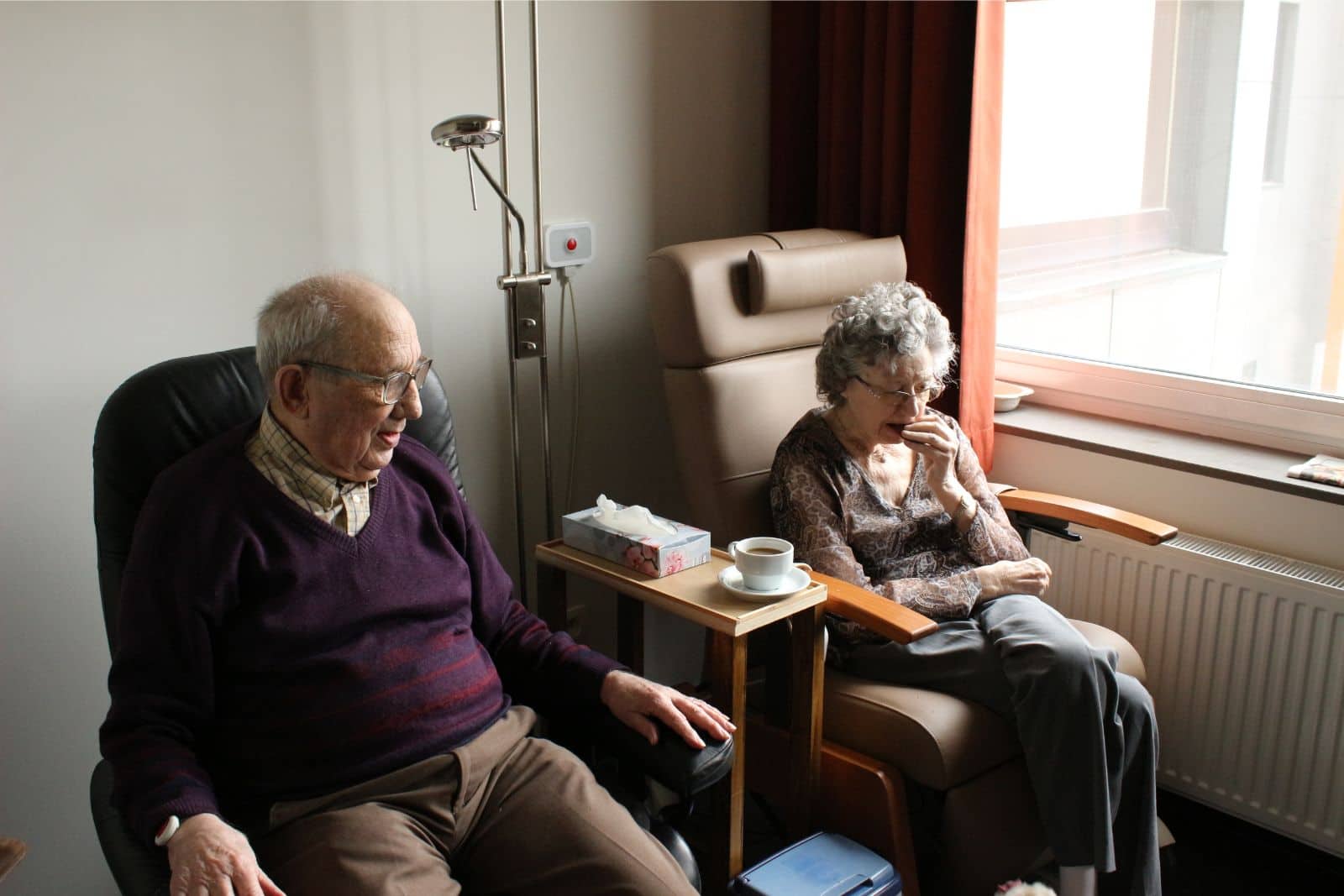
Community care services are provided mainly for adults who have a requirement for care because of age, disability, mental or physical ill health. Services are often arranged or provided by the local authority social services department. Community care services may include a place in a care home or services to help you to continue to live independently in your own home.
What services may be available
Community care services may include:
- a place in a care home
- home care services
- adaptations to the home
- meals in some circumstances
- recreational and occupational activities.
Care homes
When someone is no longer able to manage in their own home, moving into a care home may be necessary. This will provide all personal care needed including help with washing, dressing or going to the toilet. Nursing care may also be provided.
Home care services
Home care involves someone coming to your home at agreed times. This could be two or three times a day or even 24-hour care where necessary. Help can be given with personal tasks, for example, bathing and washing, getting up and going to bed, preparing food, shopping and managing finances.
Adaptations to the home
Where adaptations to the home could help to enable you to continue to live independently at home, these may be provided. This could include, for example, the installation of a stair lift or downstairs lavatory or providing handrails in the bathroom or WC.
Meals
Most people are familiar with the concept of ‘meals on wheels’. Providing a daily delivery of a meal or the delivery of a weekly or monthly supply of frozen food can help someone to continue to live independently. Meals may also be provided at a day centre or lunch club.
Recreational and occupational activities
The local authority social services department may provide a range of recreational, occupational, educational and cultural activities, for example, at a day centre. They may also be able to provide radio, televisions or visiting library services.
How to get a community care service
Provision of services will depend on a community care assessment. The local authority social services department has a duty to carry out an assessment for anyone who appears to need a community care service because they are, for example, elderly, disabled or suffering from a physical or mental illness. This is based on your level of need, not on how much money you have.
If you think that you need community care services, you should contact your local authority social services department and ask for an assessment. A carer, friend or relative can also ask for an assessment on your behalf.
What happens after an assessment?
If the local authority social services department is going to provide services, the services must be set out in a care plan. You should be given the care plan in writing if you request it. The care plan will set out:
- The services which are to be provided, by who and when and also what will be achieved by providing them
- A contact point to deal with problems about services
- Information on how to ask for a review of the services being provided if your circumstances change.
Assessment for a carer
A carer is someone like a relative or friend who takes responsibility for looking after a disabled, ill or elderly person and who does not provide the care as part of a job or as a volunteer with a voluntary organisation. Some carers provide care for a few hours a week, others for 24 hours a day, every day. A carer does not have to be living with the person being cared for.
A Carer is entitled to ask for their needs as a carer to be assessed when an assessment is being carried out for the person who is being cared for or by their local carer’s support centre.
Direct payments
Direct payments are payments of money a local authority social services department makes to people to arrange their own community care services, instead of the local authority arranging the services.
If you do get direct payments, you will have to arrange your own services. Local support organisations may be able to help you with these arrangements.
The National Centre for Independent Living holds a list of these organisations. See Useful Website section below.
Complaints
Entitlement to services is a complicated area.
The local authority social services department can charge for providing some community care services. Some local authorities only charge for some services, for example, meals on wheels or home care, while others charge for all the services they are allowed to charge for. In Scotland if you are aged 65 or over and get personal care or personal support care at home, you should get this free.
If you are unhappy about the assessment outcome or if you want to challenge charges, you should consult an experienced adviser.
If you are not satisfied with the standard of community care services offered by your local authority, you may be able to make a complaint. You can get in touch with them to find out about their complaint’s procedure.
Other help
If you need community care services because you are disabled, make sure that you are also claiming all the benefits you are entitled to. See Benefits Entitlement section. There may be other support available, for example, travel concessions. You may be able to apply to the Independent Living Funds (ILF) for money to help you live at home instead of in residential care. The ILF works closely with local authorities to provide money to pay for someone to help you at home.
If you are a career, the NHS has a helpline for carers called Carers Direct which gives information and advice about community care services, benefits and other matters, call 0300 123 1053.
More information is available on the following websites.
workplacewellbeing.com assumes no responsibility for the content of linked websites.