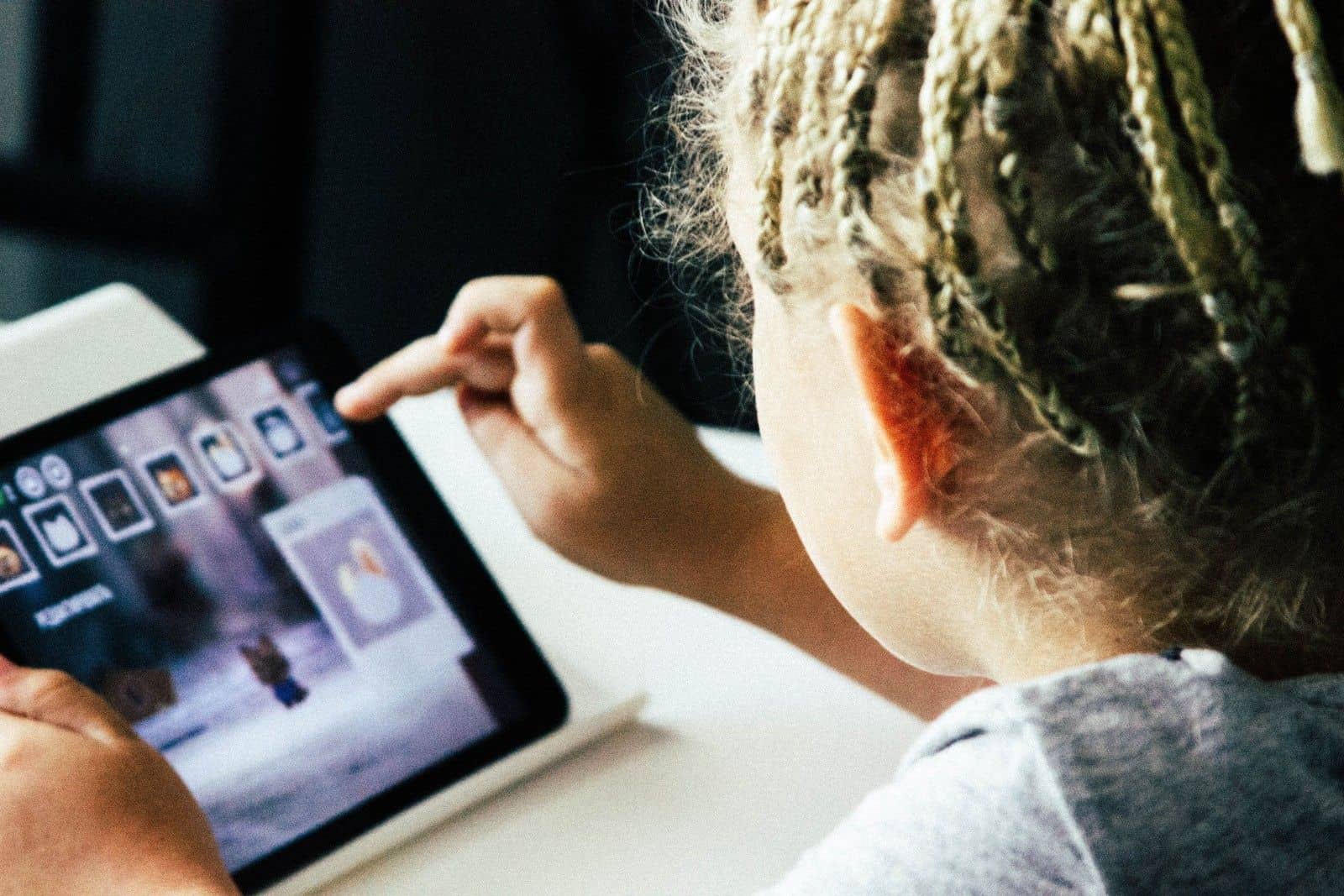
As a parent you need to be fully aware of the current risks and keep up with future developments in order to protect our children from some of the risks present within this network.
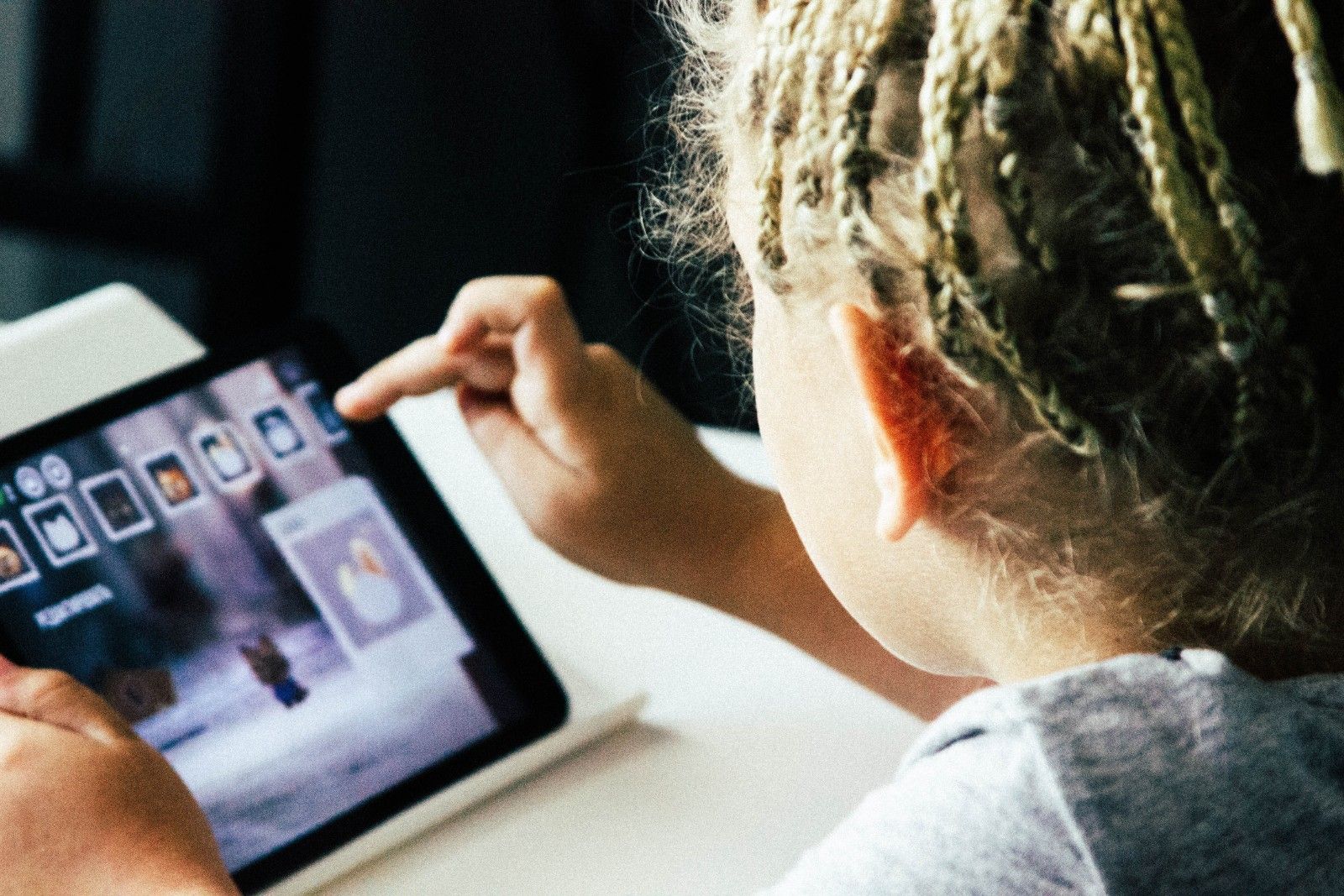
Photo by Igor Starkov on Unsplash
The Internet is a huge global network which provides a rich source of knowledge and information. Today you can research any topic, take virtual visits to museums and cities, follow a college or university course as well as obtain a huge variety of information about popular culture.
There are many benefits of being connected to the Internet – unfortunately there are dangers too. As a parent you need to be fully aware of the current risks and keep up with future developments in order to protect our children from some of the risks present within this network.
Risks
Child Abuse – Grooming
Some adults use the net to lure children into face to face meetings, by pretending to be a child/teen of similar age/sex in order to gain their confidence. Email, bulletin boards and chat rooms have been used to “groom” children and gain their trust.
Sexually Explicit Material
This can easily be accessed by accident or by a word search, often quite innocently. Some adult sites contain material that is sexually explicit or violent in nature.
Children have received anonymous emails requesting photographs or meetings. Sometimes these emails will be sexually explicit.
Cyberbullying
Usually we associate the child bully to incidents in the school class room or playground, but now they can also use technology (e-mails, mobile phones, text messages, facebook, twitter etc.).
Protecting your child
Possible danger signs:
- Changes in mood or behaviour, particularly withdrawal or signs of depression or anxiety
- Spending excessive amounts of time online and hiding the computer screen from you or receipt of unfamiliar/anonymous telephone calls
- Finding pornography on the computer
What Can You Do?
If you suspect your child may be at risk
- Talk to your child first but avoid threats or anger – they may withdraw and retreat into silence
- Check your child is following safety guidelines or remind them what they should not do on line:
- never give out personal or identifying information
- never send photos to strangers
- never arrange to meet strangers from the internet
- Check out the websites at the end of this section for detailed safety rules.
- Use software safety features to prevent risk – many software companies now have programmes that can help you track or block calls and filter harmful sites or emails
- Maintain interest and encourage debate about Internet issues which will keep the subject alive and lets your child know that you are aware of the dangers and monitoring possible risks to them
- Remember – your children could also be using a friend’s computer. No safety programme is 100% fool proof – technology is changing rapidly. Keep yourself updated on any new products and developments.
workplacewellbeing.com assumes no responsibility for the content of linked websites.
Additional Resources
Cyberbullying: https://www.callersmart.com/articles/49/What-Is-Cyberbullying-and-How-to-Stop-It
Books
Internet for Dummies – J Levine
Rough Guide to the Internet – P Buckley & D Clark
You will be able to find other self-help books available in most High Street bookshops, alternatively the internet may be another useful source of information.
Useful Websites
http://www.childline.org.uk/Explore/Bullying/Pages/online-bullying.aspx