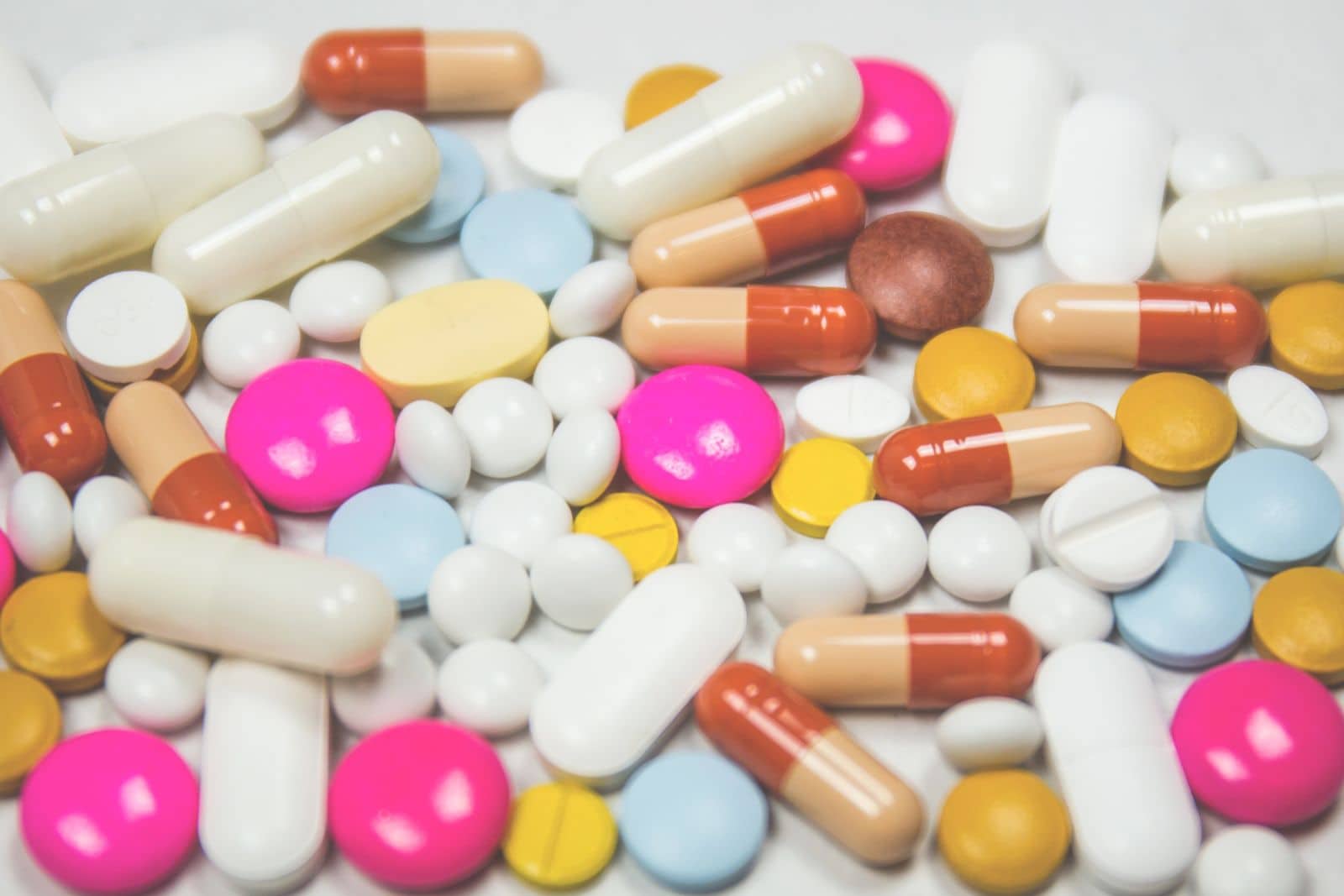
A drug is either a natural or chemical substance which, when taken into the body, in some way alters how it functions; this includes prescription and over the counter medicines as well as illegal drugs. People have always used drugs and the desire to become intoxicated is very strong in all human societies. Drugs are now widely available and used across all levels of society. The problems associated with drug misuse are growing and can affect anyone.
When does drug use become problematic?
Not all drug use is automatically problematic, but it usually fit into one of these categories:-
Experimental use – where you are trying the substance out, but not using it on a regular basis
Recreational use – similar to most people’s use of alcohol – regular, sociable, controlled and for pleasure
Dependent or Problematic use – where the pleasure you experience has been overtaken by a need to use and you are unable to face almost any situation without the help of drugs
What leads to problematic use?
Drugs may have been prescribed, or an individual may begin to use street drugs out of curiosity, social influence or rebelliousness. People continue to use drugs because they find the experience enjoyable or they give temporary relief from physical symptoms, or emotional distress. Reliance on drugs becomes the individual’s coping mechanism. In some cases, the body adapts and builds a resistance, or tolerance, to the drug; increasing amounts will then be required, with increasing frequency, to obtain the same effects.
Causes for concern – the warning signs
You may be concerned that you are becoming dependent on drugs. Common signs of dependency include:
- You abuse drugs to help you cope with chronic physical pain.
- You use drugs to escape emotional pain such as relationship problems, isolation, money worries or lack of self-esteem/confidence.
- Having access to drugs is more important than anything else in your life.
- Friends, family or colleagues have expressed concerns about your behaviour and wellbeing.
- The effect of the drugs has decreased, and you have begun to take more in order to achieve the same effects.
- You feel guilt or shame after using the drug.
- You have considered ending your life because of your drug habit.
You may be concerned about a friend, colleague or family member.
Common indicators of substance use include:
- Loss of appetite
- Forgetfulness/lack of concentration
- Sleeping all the time or not at all
- Telling lies, secretiveness, isolation, withdrawal
- Lateness at work, extended breaks, absenteeism, unexplained use of holidays, declining or variable /unreliable work performance
- Unexplained or uncharacteristic mood swings – general irritability/hostility
- Unusual spots, sores and marks on body, arms or around mouth and nose
- Pupil size (pupils will enlarge with cannabis, amphetamines or LSD and become very small with heroin)
- Reduced activity or hyperactivity
- Bloodshot eyes/abnormal skin colouring
- Health problems
- Anxiety when access to drug is denied
- Sexual dysfunction/promiscuity/infertility
- Tendency to be accident prone
- Suicide attempts
- Disappearance of money/valuables or engagement in criminal activity i.e. shoplifting, burglary, stealing in general or possibly prostitution. Borrowing money (always broke).
- Decline in personal hygiene and ability/motivation to take care of oneself or possessions. There may be physical clues like stains and chemical smells on clothing.
The impact of drug dependency
As you can see, drug dependency can impact adversely on your physical and mental health, relationships, work, finances and other life situations and responsibilities.
Dependence may be psychological or physical.
Psychological dependence is more common and occurs where you acquire such a strong desire for the sensations the drug brings – elation, stimulation, sedation, etc – that you prefer this ‘drugged’ state to ‘normality’. If you continue to use drugs to maintain this experience any attempt to give up is likely to result in emotional problems and depression.
Physical dependence – Taking some drugs over long periods causes physiological changes in your body until it cannot physically perform if the drug is stopped. When you stop using the drug you will experience withdrawal symptoms, such as nausea, sweating, diarrhoea and shaking and you may feel irritable, low and tired.
Physical effects – Excessive use can lead to serious side effects, but most physical harm is caused by the manner of use and its effect on personal care.
- Vein damage can be caused by injecting using non-sterile equipment, or where the substance being used is not suitable for injection.
- Infections such as Hepatitis C and HIV can result from sharing equipment and these infections can be transmitted to sexual partners.
- Malnutrition and poor general health will result as the preoccupation with drugs overtakes concern with basic needs such as eating and sleeping.
- Overdose can result from the drug used being mixed with alcohol or other drugs or being too ‘pure’ or ‘impure’. Illegal drugs are often mixed with other substances by unscrupulous dealers.
All drugs are different and affect individuals differently – exactly how you are affected will vary depending on what and how much you take. Even ‘experimental, ‘one-off’ use can be dangerous.
Financial – illegal drugs can become an expensive ‘habit’ to maintain, leading to financial difficulties, debt and often an involvement in crime.
Legal – The Misuse of Drugs Act 1971 and the Misuse of Drugs Regulations 2001 classifies illicit drugs according to their degree of harmfulness with appropriate penalties; these range from a caution to fines and/or imprisonment. Even if you receive only a caution, details may be disclosed to future employers should you apply for particular types of job or made available to the court in future proceedings.
Recovery – self-help strategies and professional treatment for addiction
If you feel your drug use is out of control:
- Try to gain a better understanding of drug dependency by contacting your local Drug Agency or visiting the websites listed below – this will help you to identify how problematic your drug use has become
- Contact your GP – you may need medical support in coming off drugs
- Seek the support of family and friends and/or join a support group
- Keep away from situations where drugs are readily available and be prepared to make other fundamental changes to your lifestyle
- Take care of yourself
- Try to re-engage with previous hobbies/interests – physical exercise is particularly beneficial
- Try to stay positive – learning to stay off drugs can be a long process so focus on the benefits and don’t be too disheartened if you have a ‘bad day’.
If you require professional help/treatment the following options may be available:
- Local drug agencies can provide information, counselling support, needle exchange and referral for detoxification and/or rehabilitation
- GP’s can provide withdrawal programmes themselves but more often will refer to Drug Dependency Clinics
- Inpatient Care – intensive inpatient treatment programmes, including detoxification, are available through the NHS, private and voluntary sectors, although this will vary from area to area. The length of stay varies from 4 weeks to 6 months, dependant on the type of programme and individual need. Individuals can usually self refer.
- Residential Rehabilitation – services and length of stay vary, but broadly speaking these offer accommodation, support, individual and group therapy together with complementary therapies, such as acupuncture and meditation.
workplacewellbeing.com assumes no responsibility for the content of linked websites.
Helplines
Talk to Frank (National Drugs Helpline) – 0300 123 6600
Release (Drug and Legal Information Helplines) – 020 7324 2989
Narcotics Anonymous UK (based on AA 12-step model) – 0300 999 1212
DrugFam (for families, friends and partners) – 0300 888 3853
Families Anonymous (for relatives and friends) – 0845 120 0660 & 0207 4984 680
Wearewithyou (confidential webchat service)