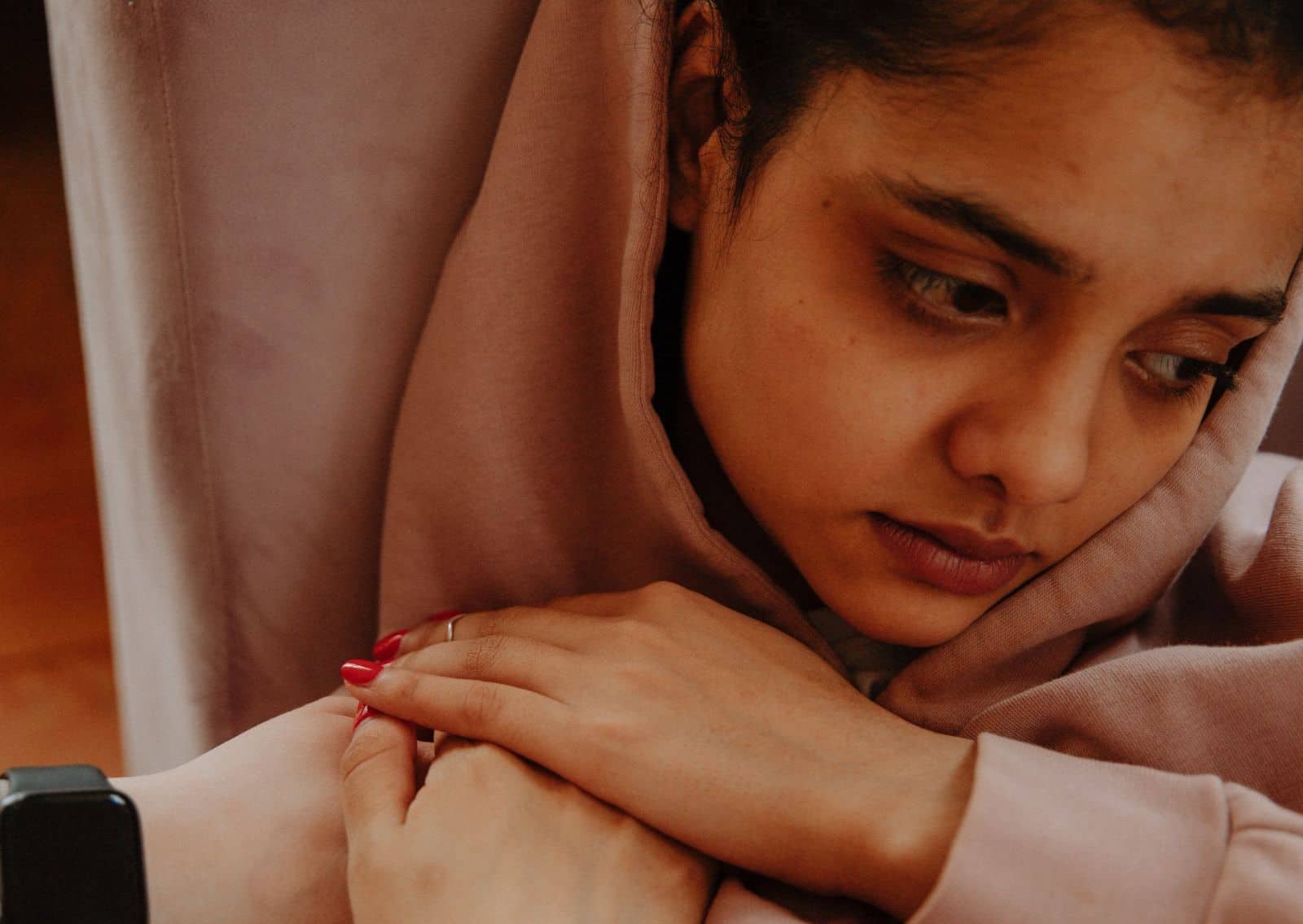
Being bereaved can feel a very lonely time, even without the social distancing measures that are currently in place.
At this time, we may be restricted from being with our loved ones, during their illness and their final hours. This is an extremely difficult situation and is likely to be further exacerbated by the changes in the way things have to be managed after the death. All of this can result in magnified distress and overwhelm.
Normally it helps to avoid spending lots of time alone when you have lost someone important to you, but as this is often unavoidable at present, it may mean:
- Stronger feelings of loneliness, guilt and grief
- Staying by yourself in the home you shared and possibly also where the person died
- No one to directly talk to or comfort you in your grief
- Absence of the usual network of family and friends to help you with practical tasks
- Feeling your loss is being down-graded while others are distracted by their own anxiety about the situation
- The usual funeral rituals and rites being severely limited
- The practical tasks associated with a death can provide a distraction, but even this has to be done remotely, or postponed to a later date
Helpful ways to look after yourself
- Look after yourself and get rest. Try to get some fresh air or daylight each day – even opening a window can help.
- Connect with family and friends in a way which feels comfortable for you, such as a video call, phone call or text.
- Talk to someone you can trust to help you process and understand your reactions to your loss.
Don’t feel guilty if you feel like you are struggling. This is a normal reaction following a bereavement.
Establish, a regular routine, including regular meal times, and small, manageable tasks such as daily exercise. - Ask for help from friends, family or neighbours (following COVID-19 guidelines).
Helpful ways to look after others
- Offer practical support to the bereaved, such as doing grocery shopping or delivering a meal
(following COVID-19 guidelines). - Maintain regular contact with bereaved friends and family even if you cannot visit.
- Let the bereaved person talk about how they are feeling and about the person who has died.
Where can I get help?
Speaking to your GP can sometimes be helpful if you find that your distress becomes overwhelming.
In the longer term, your GP may suggest medication if the depression following bereavement becomes severe or prolonged.
workplacewellbeing.com assumes no responsibility for the content of linked websites.
Useful Websites
Cruse: England, Wales, Northern Ireland
This includes links to other sources of support for all grieving in the family, and also covers funerals.
Cruse Bereavement Care Scotland
This includes links to other sources of support for all grieving in the family and also covers funerals.
Useful information on how others can help the bereaved